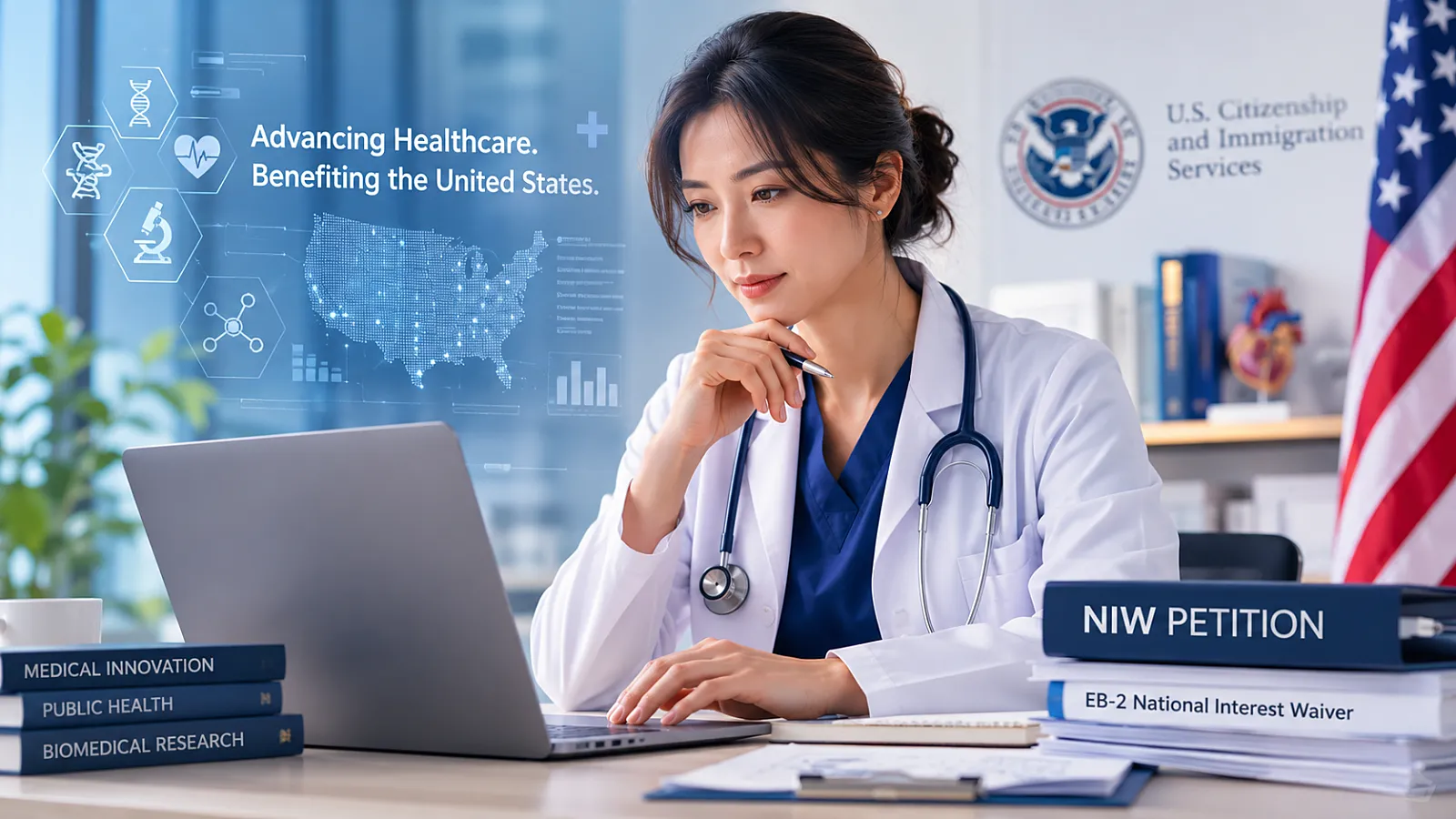
NIW에서 의료 분야가 강력한 분야 중 하나인 이유
EB-2 NIW(National Interest Waiver)를 준비하는 분들이 자주 하는 질문 중 하나가 있습니다. "특정 직종이 NIW에서 더 유리한가요?"라는 질문입니다. 충분히 궁금해할 만한 부분입니다. 실제로 승인된 NIW 사례를 살펴보면 의사, 바이오메디컬 연구원, 의료기기 개발자, 공중보건 전문가 등 의료 분야와 관련된 직종이 상당수를 차지하고 있기 때문입니다.
하지만 그렇다고 해서 USCIS가 의료 분야를 특별히 우대하는 것은 아닙니다.
어떤 Proposed Endeavor(향후 미국에서 수행할 활동)는 다른 분야보다 USCIS 심사관이 그 중요성을 훨씬 쉽게 이해할 수 있습니다. 의료 분야가 바로 그런 경우입니다. 이는 직업 자체 때문이 아니라, 해당 업무의 중요성이 처음부터 비교적 명확하게 드러나기 때문입니다. NIW 청원의 핵심은 의료가 중요한 분야라는 사실을 USCIS에 설득하는 것이 아닙니다. 미국은 이미 오래전부터 의료의 중요성을 인정해 왔습니다. 청원서의 역할은 신청인의 활동이 그보다 더 큰 국가적 맥락 속에서 어떤 의미를 갖는지를 설명하는 데 있습니다.
■ USCIS는 어떤 관점에서 NIW 청원서를 심사할까?
많은 사람들이 NIW를 준비하면서 가장 먼저 논문 수, 피인용 횟수, 경력, 수상 실적과 같은 스펙을 떠올립니다. 물론 이러한 요소들은 모두 중요한 부분입니다. 하지만 USCIS의 심사는 여기서부터 시작되지 않습니다.
심사관은 신청인이 Proposed Endeavor를 성공적으로 수행할 역량이 있는지를 검토하기에 앞서, 더 근본적인 질문을 먼저 던집니다.
"이 사람이 앞으로 하려는 일이 왜 미국에 중요한가?"
이 질문은 모든 NIW 청원서의 핵심이라고 할 수 있습니다. 어떤 Proposed Endeavor는 이 질문에 비교적 쉽게 답할 수 있지만, 어떤 분야는 국가적 중요성을 설명하기 위해 훨씬 더 많은 설명이 필요합니다.
의료 분야는 이미 대부분의 사람들이, 그리고 USCIS 심사관 역시 의료 발전의 가치를 충분히 이해하고 있다는 점에서 유리한 위치에 있습니다. 의료기기를 개발하는 일이든, 진단 정확도를 높이는 일이든, 암 치료를 발전시키는 일이든, 보다 안전한 수술 기술을 개발하는 일이든, 의료 서비스의 질을 향상시키는 일이든, 이러한 활동이 사회 전체에 미치는 긍정적인 영향은 어렵지 않게 이해할 수 있습니다. 심사관은 새로운 국가적 과제를 처음 접하는 것이 아니라, 이미 국가적으로 중요한 분야에 해당하는 Proposed Endeavor를 검토하고 있는 것입니다.
■ 의료 분야가 다른 산업과 다른 이유
그렇다고 해서 의료 분야만 NIW 승인이 가능한 것은 아닙니다. 저희가 성공적으로 진행한 사례 가운데에는 공학, 제조업, 환경, 에너지 등 의료와 전혀 관련이 없는 분야도 많이 있습니다. 다만 이러한 분야는 Proposed Endeavor가 왜 미국 전체에 도움이 되는지를 설명하는 과정이 상대적으로 더 많이 필요한 경우가 많습니다.
예를 들어, 어떤 사람이 기업 내부의 운영 효율성을 높여주는 소프트웨어를 개발한다고 가정해 보겠습니다. 물론 충분히 가치 있는 일일 수 있습니다. 하지만 심사관 입장에서는 그 성과가 특정 기업을 넘어 미국 전체에 어떤 이익을 가져오는지 이해하기 위해 몇 단계의 추가적인 설명이 필요할 수 있습니다. 물론 그 연결고리는 충분히 설명할 수 있습니다. 다만 의료 분야보다 더 많은 설명이 필요한 경우가 많다는 것입니다.
반면 의료 분야는 출발점 자체가 다릅니다. 신청인이 환자의 치료 결과를 개선하거나, 합병증을 줄이거나, 기존 치료법의 안전성을 높이는 의료기기를 개발하고 있다면 그 공익적 가치는 비교적 직관적으로 이해됩니다. 질병 예방, 진단기술, 재활기술, 기타 의료 혁신 분야 역시 마찬가지입니다. 의료에 대한 전문지식이 없더라도 이러한 발전이 특정 병원이나 기업, 또는 개별 환자를 넘어 더 큰 사회적 의미를 가진다는 점은 충분히 이해할 수 있습니다.
■ 의료 분야 NIW에 대한 흔한 오해
의료 분야 NIW를 이야기할 때 가장 자주 등장하는 설명이 있습니다. 바로 미국에 의료 인력이 부족하다는 주장입니다. 물론 지역에 따라 의료 인력이 부족한 것이 사실일 수 있습니다. 하지만 그것만으로 의료 분야 NIW가 강력한 케이스가 되는 것은 아닙니다.
여기에는 중요한 이유가 있습니다. 미국의 취업이민 제도에는 이미 노동력 부족 문제를 해결하기 위한 제도가 존재합니다. 대부분의 취업이민에서는 고용주가 노동허가(Labor Certification) 절차를 통해 해당 직무를 수행할 수 있는 미국인 근로자를 구하기 어렵다는 점을 입증하게 됩니다. 이러한 절차가 존재하는 데에는 분명한 이유가 있습니다. 만약 청원서가 "미국에 해당 직종의 인력이 부족하다"는 주장에만 의존한다면, 그것은 NIW라기보다는 일반적인 노동허가 케이스에 더 가까워질 수 있습니다.
바로 이러한 이유 때문에 의료 분야 NIW는 단순히 인력 부족을 이야기하는 수준을 넘어서는 것이 중요합니다. 핵심은 의료 인력 한 명을 더 채용해야 하는지가 아니라, 신청인의 Proposed Endeavor가 의료 시스템을 개선하는 데 어떤 더 큰 의미를 가지는지를 보여주는 것입니다. 이 두 가지는 전혀 다른 개념이며, 혼동해서는 안 됩니다.
■ 의료 분야 Proposed Endeavor를 심사관이 쉽게 이해하는 이유
한 명의 USCIS 심사관이 같은 날 두 건의 NIW 청원서를 검토한다고 가정해 보겠습니다. 한 신청인은 심혈관 질환 치료를 개선하기 위한 의료기기를 개발하고 있습니다. 다른 신청인은 기업의 내부 행정 업무를 효율화하는 소프트웨어를 개발하고 있습니다. 두 사람 모두 뛰어난 경력을 가지고 있을 수 있으며, 높은 학력과 오랜 경험, 훌륭한 전문성을 갖추고 있을 수도 있습니다.
차이는 신청인의 능력이나 경력 수준에 있는 것이 아닙니다. 차이는 Proposed Endeavor가 공익과 얼마나 자연스럽게 연결되는지에 있습니다. 의료기술의 발전은 해당 기술을 개발하는 기업 하나에만 영향을 미치지 않습니다. 더 나은 치료법은 환자의 치료 결과를 개선하고, 장기적인 의료비를 절감하며, 의료 시스템 전체를 더욱 발전시키는 데 기여할 수 있습니다. 이러한 폭넓은 영향은 오랫동안 미국의 국가적 우선순위와 일치해 온 분야이기 때문에 심사관도 비교적 쉽게 이해할 수 있습니다.
물론 그렇다고 해서 모든 의료 분야 NIW가 승인되는 것은 아닙니다. 모든 신청인은 여전히 NIW의 법적 요건을 충족해야 합니다. 다만 의료 분야는 다른 많은 산업에 비해 Proposed Endeavor와 미국의 국익 사이의 연결성을 보다 쉽게 설명할 수 있는 출발점을 가지고 있다는 점에서 유리한 측면이 있습니다.
■ 마무리
NIW에 대해 가장 흔히 하는 오해 중 하나는 '올바른 직업'을 선택해야 승인 가능성이 높아진다는 것입니다. 하지만 실제로 직업은 전체 이야기의 일부일 뿐입니다. 중요한 것은 신청인의 Proposed Endeavor가 미국에 보다 폭넓은 이익을 가져오는 활동으로 이해될 수 있는지 여부입니다.
의료 분야는 다른 많은 분야보다 이러한 설명을 자연스럽게 전개하기에 유리합니다. 의료기술을 발전시키고, 의료 시스템을 개선하며, 더 나은 치료법을 개발하는 일의 가치는 별도의 긴 설명 없이도 쉽게 이해되는 경우가 많습니다. 그렇다고 해서 꼼꼼하게 준비된 청원서가 필요 없다는 뜻도 아니고, 승인까지 보장된다는 의미도 아닙니다. 다만 의료 분야의 Proposed Endeavor는 하나의 분명한 장점을 가지고 있습니다. USCIS 심사관은 이미 그 문제가 왜 해결할 가치가 있는지 충분히 이해하고 있다는 점입니다.
---------------------------------------
Why Healthcare Is One of the Strongest Fields for an NIW Petition
People often ask whether certain professions have an advantage under the EB-2 National Interest Waiver (NIW). It's an understandable question. After all, many approved NIW cases involve physicians, biomedical researchers, medical device developers, public health professionals, or others whose work is connected to healthcare.
The answer, however, isn't that USCIS simply favors the medical field.
Some proposed endeavors are simply easier for USCIS adjudicators to understand than others. Healthcare falls into that category, not because of the job title itself, but because the importance of the work is usually apparent from the outset. The challenge in an NIW petition is not convincing USCIS that healthcare matters. The United States has already reached that conclusion. The petition's job is to explain how the applicant's work fits into that much larger picture.
■ Looking at the Petition the Way USCIS Does
When people think about an NIW petition, they often focus on the applicant's credentials. They ask whether they have enough publications, enough citations, enough experience, or enough awards. Those are all important pieces of the case, but they are not where the analysis begins.
Before an officer considers whether an applicant is well positioned to carry out a proposed endeavor, there is a more basic question that has to be answered: Why does this work matter to the United States? That question is at the heart of every NIW petition. Some endeavors answer it almost immediately. Others require a much more detailed explanation before their broader significance becomes clear.
Healthcare has an advantage because most people, including the adjudicating officer, already understand why improvements in medicine are valuable. Whether the work involves developing a better medical device, improving diagnostic accuracy, advancing cancer treatment, designing safer surgical technologies, or improving healthcare delivery, the broader benefit is not difficult to recognize. The officer is not being introduced to a new national priority. They are reviewing an endeavor that already fits within one.
■ Why Healthcare Is Different
This does not mean healthcare is the only field that can qualify for an NIW. Some of the strongest petitions we have prepared have involved engineering, manufacturing, environmental protection, energy, and other industries that have nothing to do with medicine. The difference is that many of those cases require additional explanation before the national benefit becomes obvious.
Take, for example, someone developing software that helps a private company manage its internal operations more efficiently. There may be real value in that work, but an adjudicator may need several more steps before reaching the conclusion that the endeavor benefits the United States as a whole rather than primarily benefiting one employer. That broader connection certainly can be made, but it usually requires more explanation.
Healthcare often begins from a different place. If an applicant is working on a medical device that improves patient outcomes, reduces complications, or makes an existing treatment safer, the broader public benefit is immediately understandable. The same is true of work involving disease prevention, diagnostics, rehabilitation technologies, or other medical innovations. Even without technical expertise, an adjudicator can readily appreciate why improvements in those areas have significance beyond a single hospital, company, or patient.
■ A Misconception About Healthcare NIW Cases
One explanation comes up repeatedly whenever healthcare NIW cases are discussed: America has a shortage of healthcare workers. While that observation may be true in many parts of the country, it is not, by itself, what makes a healthcare NIW case compelling.
There is an important reason for that. The employment-based immigration system already includes a mechanism for addressing labor shortages. In most employment-based cases, employers complete the labor certification process to demonstrate that qualified U.S. workers are unavailable for a particular position. That process exists for a reason. If a petition relies on the argument that the country needs more workers in a particular occupation, it begins to sound less like an NIW case and more like a traditional labor certification case.
This is why healthcare petitions are usually strongest when they move beyond workforce shortages and focus instead on the work itself. The question is no longer whether another healthcare professional is needed to fill a vacancy. The more important question is whether the applicant's proposed endeavor contributes to improving healthcare in a way that carries broader significance. Those are two very different ideas, and they should not be confused.
■ Why Officers Often Understand Healthcare Endeavors So Quickly
Imagine an officer reviewing two petitions during the same afternoon. One applicant is developing a medical device intended to improve the treatment of cardiovascular disease. Another has created software that helps private businesses streamline internal administrative functions. Both applicants may be highly accomplished. Both may have advanced degrees, years of experience, and impressive professional achievements.
The difference is not the intelligence of the applicants or the quality of their credentials. The difference is how naturally the proposed endeavor connects to the public interest. Improvements in medical treatment have consequences that extend well beyond the company developing the technology. Better treatment options can improve patient outcomes, reduce long-term healthcare costs, and strengthen the healthcare system itself. Those broader implications are relatively easy for an adjudicator to recognize because they are already consistent with priorities that have existed for many years.
That does not mean every healthcare petition deserves approval. Every applicant must still satisfy the legal requirements of the NIW. What healthcare often provides is a clearer starting point. The connection between the endeavor and the interests of the United States is frequently easier to understand than it is in many other industries.
■ Final Thoughts
One of the biggest misconceptions about the NIW is that success depends primarily on having the "right" profession. In reality, the profession is only part of the story. What matters is whether the proposed endeavor can be understood as work that benefits the United States on a broader level.
Healthcare happens to lend itself to that discussion more naturally than many other fields. The value of improving medical treatments, advancing healthcare technology, or making healthcare systems more effective rarely requires much persuasion. That does not remove the need for a carefully prepared petition, nor does it guarantee approval. It simply means that healthcare-related endeavors often begin with an advantage: the officer already understands why the problem is worth solving.

미국 변호사와 이민 전문가가 꼼꼼하게 검토 후 최적의 솔루션을 안내해 드립니다.
