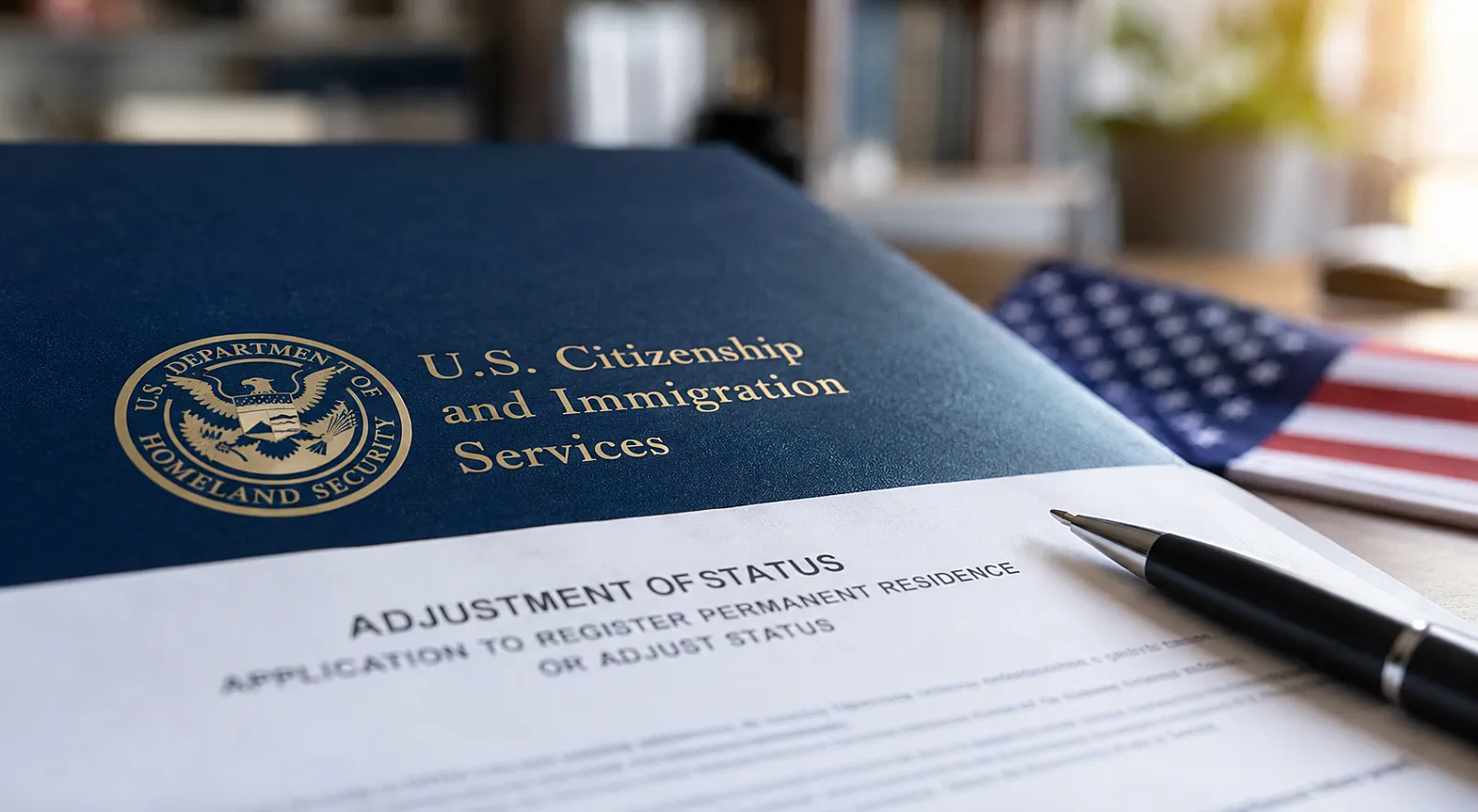
 USCIS가 재량권을 어떻게 적용하는지 이해하기
미국 내에서 영주권 취득을 추진하는 많은 사람들에게 신분조정(Adjustment of Status, AOS)은 명확한 법적 요건에 따라 작동하는 절차처럼 느껴질 수 있다. 이민 청원이 승인되었고, 필요한 서류를 정확하게 제출했으며, 신청 자격 요건까지 모두 충족했다면 승인될 것이라고 기대하는 것은 자연스러운 일이다.
그러한 기대는 충분히 이해할 수 있다. 이민 신청은 종종 수년에 걸친 계획과 준비를 필요로 하며, 학업, 직업 선택, 가족 계획은 물론 상당한 금전적·정서적 투자까지 수반하기 때문이다. 그렇기 때문에 많은 신청자들은 실제 심사 과정에서 ‘자격 충족’이 검토의 전부가 아니라는 사실을 알게 되면 의외로 느끼곤 한다.
특히 많은 취업이민 및 가족초청 기반의 신분조정 사건에서 USCIS는 단순히 법적 요건 충족 여부를 판단하는 데서 심사를 끝내지 않는다. 심사관은 그 이후에도 별도의 재량적 판단(discretionary analysis)을 수행할 수 있으며, 사건 전체의 사정을 고려한 뒤 최종적으로 승인이 적절한지 여부를 결정한다.
이 개념 자체는 새로운 것은 아니다. 다만 최근 정책 논의 과정에서 다시 주목받기 시작했다. 재량권이라는 개념을 이해하면 신분조정 결과가 왜 때로는 예측하기 어려운지, 그리고 그 과정이 왜 단순한 체크리스트 심사가 아닌지를 보다 쉽게 이해할 수 있다.
■ 신분조정은 영사절차를 대체한 것이 아니라, 그와 함께 발전해 온 제도다
역사적으로 미국 영주권 취득의 기본 구조는 해외 미국 대사관 또는 영사관을 통한 이민비자 발급 절차였다. 신분조정은 이를 완전히 대체하기 위해 만들어진 것이 아니라, 일정한 요건을 충족한 미국 내 체류자들이 미국 내에서 절차를 마무리할 수 있도록 허용한 대안적 절차로 발전해 왔다.
이 구분은 다소 기술적인 설명처럼 들릴 수 있지만, 왜 일부 신분조정 사건에서 심사 방식이 다르게 적용되는지를 이해하는 데 중요한 의미를 가진다.
의회는 신분조정을 위한 별도의 자격 기준을 마련했고, 해외 영사절차 신청자들에게는 동일하게 적용되지 않는 제한들도 함께 두었다. 어떤 신청자는 아예 신분조정을 할 수 없고, 어떤 신청자는 신분 유지 여부, 입국 방식, 또는 추가적인 법적 조건을 충족해야만 진행할 수 있다.
절차적인 규정 역시 이러한 구조를 반영한다. 대표적인 예로, 많은 경우 I-485가 계류 중인 상태에서 미국을 출국하면 신청 포기로 간주될 수 있다. 다만 Advance Parole을 받았거나 일정한 비이민 신분을 유지하고 있는 경우에는 예외가 인정될 수 있다.
그렇다고 해서 신분조정이 특별하거나 예외적인 절차라는 의미는 아니다. 신분조정은 오늘날에도 수많은 신청자들이 활용하는 매우 중요한 영주권 취득 경로다. 다만 이러한 제도적 배경을 이해하면 왜 재량 심사가 이 제도의 일부로 자리 잡게 되었는지를 보다 쉽게 이해할 수 있다.
■ 법적 요건을 충족했다고 해서 심사가 끝나는 것은 아니다
신분조정을 준비하는 대부분의 신청자들은 자연스럽게 자격 요건에 집중한다.
- 기초가 되는 청원이 승인되었는가?
- 비자 번호가 열려 있는가?
- 합법적인 신분을 유지했는가?
- 입국허가(admissibility) 요건을 충족하는가?
- 필요한 서류를 모두 제출했는가?
이러한 질문들은 여전히 매우 중요하다. 법적 요건이 충족되지 않으면 승인 자체가 불가능하기 때문이다.
하지만 많은 신분조정 유형에서는 심사가 여기서 끝나지 않는다.
USCIS는 신청자가 법적으로 자격이 있다고 판단한 이후에도, 재량권을 긍정적으로 행사해 승인하는 것이 적절한지를 별도로 검토한다. 이는 심사관이 개인적 선호에 따라 결정을 내린다는 의미가 아니다. 오히려 기록 전체에 드러난 폭넓은 사정을 검토하고, 사건의 전반적인 사실관계가 승인을 뒷받침하는지를 판단하라는 취지에 가깝다.
이 차이는 중요하다.
신분조정은 언제나 기계적으로 결론이 도출되는 절차가 아니기 때문이다. 겉으로 보기에는 자격 조건이 비슷한 두 신청자라 하더라도, 사건 전체의 맥락과 상황은 충분히 다를 수 있다
■ USCIS는 어떤 긍정적 요소를 고려하는가?
USCIS의 정책 지침은 재량 심사 과정에서 심사관이 긍정적으로 고려할 수 있는 다양한 사정을 제시하고 있다.
여기에는 이민 규정 준수 이력, 안정적인 고용 경력, 사업 활동, 교육 수준과 전문성, 가족 및 지역사회와의 유대, 성실한 납세 이력, 건전한 품행을 보여주는 증거, 그리고 장기적인 안정성과 사회적 기여 가능성을 보여주는 요소 등이 포함될 수 있다.
중요한 점은 심사관이 점수표나 공식에 따라 판단하도록 지시받는 것이 아니라는 점이다.
대신 심사관은 전체 기록을 검토하면서 각각의 사실들이 서로 어떻게 연결되는지를 이해하도록 요구받는다. 예를 들어 오랜 기간의 근속 경력도 신청자의 전체 이력에 따라 의미가 달라질 수 있다. 지역사회와의 유대 역시 가족 구조, 거주 이력, 개인적 배경에 따라 전혀 다른 모습으로 나타날 수 있다.
즉, 목적은 단순히 긍정 요소를 하나씩 나열하는 데 있는 것이 아니라, 신청자의 삶과 행동 전반이 어떤 맥락 속에 있는지를 이해하는 데 있다.
■ 어떤 부정적 요소가 재량 판단에 영향을 줄 수 있는가?
재량 심사라는 것은 반대로 승인에 불리하게 작용하는 요소들도 함께 고려될 수 있다는 의미이기도 하다.
예를 들면 다음과 같은 사항들이 포함될 수 있다.
이민 신분 위반, 이전 입국 조건의 미준수, 무단 취업, 정부기관에 대한 허위 진술 또는 진술 간 불일치, 범죄 관련 우려, 미해결 법적 의무, 세금 문제, 출신국의 범죄 이력 확인 체계와 관련된 문제, 또는 심사 과정에서 우려를 야기할 수 있는 기타 행위 등이 이에 해당할 수 있다.
이 부분은 많은 신청자들에게 불안감을 줄 수 있다. 작은 실수 하나만으로도 사건 전체가 위험해지는 것은 아닌지 걱정하기 쉽기 때문이다.
하지만 재량 심사는 본래 그렇게 작동하도록 설계된 것이 아니다.
부정적 요소가 존재한다고 해서 반드시 거절로 이어지는 것은 아니다. 반대로 긍정적 요소가 많다고 해서 자동으로 승인되는 것도 아니다. 심사관은 전체 기록을 함께 검토하고 각각의 사정들이 서로 어떻게 영향을 주는지를 종합적으로 평가하도록 지침을 받는다.
■ ‘전체 상황의 종합적 고려(Totality of the Circumstances)’ 기준
신분조정 결과가 때때로 예측하기 어렵게 느껴지는 이유 중 하나는 USCIS가 일반적으로 단 하나의 사실만을 떼어내어 사건 전체의 결론을 결정하지 않기 때문이다.
대신 심사관은 ‘전체 상황의 종합적 고려(Totality of the Circumstances)’라는 기준에 따라 사건을 검토하도록 되어 있다.
신청자 입장에서는 이것이 다소 답답하게 느껴질 수 있다. 이민 심사가 정답 하나만 맞추면 결과가 보장되는 표준화된 시험처럼 작동하지는 않기 때문이다.
■ 법은 그대로일 수 있지만, 행정 문화는 달라질 수 있다
이민법을 이해하기 어려운 이유 중 하나는 변화가 항상 의회 입법이나 새로운 규정을 통해서만 발생하는 것이 아니라는 점이다.
신분조정 재량권을 둘러싼 법적 구조 자체는 이미 오랫동안 존재해 왔고, 정책 발표가 자동으로 법 자체를 바꾸는 것은 아니다. 하지만 동시에 USCIS는 행정부 산하의 행정기관이며, 기존 규정을 실제로 적용하는 방식은 시간이 지나면서 자연스럽게 변화한다.
대통령 행정부는 보다 넓은 차원의 이민 정책 우선순위를 설정한다. 기관의 리더십은 심사관 교육, 내부 지침, 심사 문화에 영향을 준다. 이러한 변화가 법적 기준 자체를 다시 쓰지는 않더라도, 어떤 요소들이 더 집중적으로 검토되는지, 그리고 재량 판단에 어떤 관점이 반영되는지에는 영향을 줄 수 있다.
동시에 정책 변화가 하루아침에 심사 결과를 바꾸는 것은 아니다.
USCIS가 새로운 지침을 발표하거나 특정 이슈에 대한 강조를 강화하더라도, 실제 심사 패턴이 나타나기까지는 수개월이 걸리는 경우가 많다. 심사관 교육이 이루어지고, 내부 기대치가 형성되며, 심사 관행이 점진적으로 정착되기 때문이다. 따라서 정책 발표 직후의 반응만으로 실제 심사 방향을 단정하기는 어렵다.
또 하나 중요한 점은, 신분조정 사건은 본질적으로 매우 개별적인 성격을 가진다는 것이다.
심사관들은 동일한 법률과 정책 기준을 적용하지만, 재량 심사 자체는 결국 판단(judgment)을 필요로 한다. 각 사건은 서로 다른 사실관계, 서로 다른 이력, 그리고 서로 다른 긍정적·부정적 요소의 조합을 가지고 있다. 그렇기 때문에 정책 변화가 있는 시기라고 하더라도 모든 사건의 결과가 동일한 방향으로 움직이는 것은 아니다.
이것이 심사가 자의적으로 이루어진다는 의미는 아니다. 오히려 이민 심사는 문서화된 법적 기준과 개별 사건에 대한 사례별 평가(case-by-case evaluation)가 함께 작동하는 구조라는 의미에 가깝다.
신청자의 입장에서 보면 이 차이는 매우 중요할 수 있다.
정책 발표 하나가 모든 사건의 결과를 자동으로 결정하는 것은 아니다. 또한 정책 변화의 시기에는 실제 영향이 어떻게 나타나는지 확인되기까지 일정한 시간이 필요한 경우가 많다.
미국에서 오랜 시간 공부하고, 일하고, 경력을 쌓고, 가족을 부양하며, 자신의 미래를 계획해 온 사람들에게 이러한 불확실성은 분명 부담스럽게 느껴질 수 있다.
하지만 재량 심사가 어떻게 작동하는지를 이해하면 그 과정은 조금 더 예측 가능하고 이해 가능한 절차로 보일 수 있다.
신분조정은 처음부터 단순히 기술적인 자격 요건만 충족하면 되는 제도가 아니었다.
사건 전체의 사실관계, 그 사람이 살아온 맥락, 그리고 개별적인 상황은 언제나 중요한 요소로 고려되어 왔다.
-------------------------------------
Adjustment of Status Is More Than Eligibility: Understanding How USCIS Uses Discretion
For many people pursuing permanent residence from inside the United States, adjustment of status can feel like a process that should operate according to clear legal requirements. If the immigrant petition is approved, the forms are submitted correctly, and the applicant satisfies the eligibility criteria, it is natural to expect approval.
That expectation is understandable. Immigration applications often involve years of planning, education, employment decisions, family considerations, and significant financial and emotional investment. Because of that, it can be surprising for applicants to learn that in many adjustment categories, eligibility is only one part of the review.
For many employment-based and family-based adjustment cases, USCIS does not stop after deciding whether the legal requirements have been met. Officers may also conduct a separate discretionary analysis and determine whether approval is warranted after considering the overall circumstances of the case.
This concept is not new, but it has received renewed attention in a recent policy discussion. Understanding what discretion means can make adjustment decisions feel less unpredictable and easier to understand.
Adjustment of Status Developed Alongside, Not Instead of, Consular Processing
Historically, immigrant visa issuance through U.S. embassies and consulates abroad has remained the ordinary structure through which people obtain permanent residence. Adjustment of status developed as an alternative process that allows certain eligible individuals already present in the United States to complete that process domestically under specific conditions.
That distinction may sound technical, but it helps explain why adjustment cases are reviewed differently in some situations.
Congress created separate rules governing adjustment eligibility and imposed limitations that do not apply in exactly the same way to immigrant visa applicants processing abroad. Certain applicants cannot adjust at all. Others may qualify only if they maintained status, entered in a particular manner, or satisfy additional statutory conditions.
Even procedural rules reflect this structure. One example is that, in many circumstances, departing the United States while Form I-485 remains pending may be treated as abandonment of the application unless the applicant qualifies for an exception, such as advance parole or maintenance of certain nonimmigrant classifications.
That does not mean adjustment is unusual or improper. Adjustment of status remains an important and longstanding immigration pathway used by many applicants each year. But understanding that it developed as a specialized process helps explain why discretionary review became part of the framework.
Meeting the Legal Requirements Does Not Always End the Analysis
When preparing an adjustment case, most applicants naturally focus on eligibility questions.
Is the underlying petition approved? Is a visa number available? Has lawful status been maintained? Are admissibility requirements satisfied? Has the correct documentation been submitted?
Those questions remain critically important because an application cannot be approved unless the legal requirements are met.
At the same time, for many adjustment categories, approval involves a second stage of analysis.
After determining that the applicant otherwise qualifies under the law, USCIS evaluates whether approval should be granted under a favorable exercise of discretion. That does not mean officers are free to decide cases based on personal preference. Rather, officers are instructed to evaluate the broader circumstances reflected in the record and determine whether the overall facts support approval.
This distinction matters because adjustment of status is not always a purely mechanical process. Two applicants who appear similarly situated from an eligibility perspective may still present different overall circumstances.
What Positive Factors Does USCIS Consider?
USCIS policy guidance identifies a variety of circumstances that officers may consider favorably during discretionary review.
These may include compliance with immigration rules, stable employment history, business activity, education and specialized skills, family and community ties, tax compliance, evidence of good moral character, and signs of long-term stability and contribution.
Importantly, officers are not instructed to apply a point system or formula.
Instead, they are expected to review the entire record and understand how different facts fit together. Long-term employment may carry different meaning depending on the applicant’s history. Community ties may appear differently depending on family structure, residence history, or personal circumstances.
The purpose is not simply to identify positive facts individually, but to understand the broader context of the applicant’s life and conduct.
What Negative Factors Can Affect Discretion?
Discretion also means that USCIS may consider factors that weigh against approval.
Examples may include immigration status violations, failure to comply with prior admission conditions, unauthorized employment, fraud or inconsistent statements to government agencies, criminal concerns, unresolved legal obligations, tax issues, the inability of the potential immigrant’s country of origin to identify criminal activity, or other conduct that may raise questions during review.
This part of the conversation can sometimes create understandable concern because applicants may worry that any mistake automatically places the case at risk.
That is not how discretionary review is intended to work.
The existence of a negative factor does not necessarily lead to denial, just as positive factors do not automatically guarantee approval. Officers are instructed to consider the entire record and evaluate how circumstances interact with one another.
The Totality of the Circumstances Standard
One reason adjustment decisions can feel difficult to predict is that USCIS generally does not isolate one fact and allow it to determine the entire outcome.
Instead, officers are instructed to review the totality of the circumstances.
For applicants, this can sometimes feel frustrating because immigration decisions do not always resemble standardized examinations where one correct answer guarantees a result.
The Law May Stay the Same, but Administrative Culture Does Not
One of the more difficult parts of immigration law is that changes do not always come through Congress or new regulations.
The legal framework governing adjustment discretion has existed for many years, and policy announcements do not automatically change the law. At the same time, USCIS is an administrative agency within the executive branch, and the way existing rules are applied naturally evolves over time.
Presidential administrations influence broader immigration priorities. Agency leadership influences training, internal guidance, and adjudication culture. Those changes may not rewrite legal standards, but they can affect which issues receive closer review and how officers approach discretionary questions.
At the same time, policy updates rarely change adjudications overnight.
When USCIS releases new guidance or places greater emphasis on a particular issue, it often takes months before practical patterns become visible. Officers receive training, internal expectations develop, and adjudication practices gradually settle. Early reactions to policy announcements do not always reflect how cases will ultimately be reviewed in practice.
Another important point is that adjustment cases remain highly individualized.
Officers apply the same law and policy framework, but discretionary review still requires judgment. Different cases present different facts, different histories, and different combinations of positive and negative factors. Because of that, outcomes do not always move uniformly, even during periods of policy change.
This does not mean decisions are arbitrary. It means immigration adjudication involves both written standards and case-by-case evaluation.
For applicants, that distinction can matter. A policy update does not automatically determine the outcome of every case, and periods of change often require time before their practical impact becomes clear.
For people who have spent years studying, working, building careers, supporting family members, or planning a future in the United States, that uncertainty can feel difficult. At the same time, understanding how discretion works can make the process feel more understandable. Adjustment of status has never been only about technical eligibility. The overall facts, context, and circumstances of a case have always mattered as well.

