NIW는 단순히 서류를 제출하는 이민 절차로 오해되는 경우가 많습니다. 하지만 이는 사실과 다릅니다. NIW는 개인의 활동과 성과가 미국에 실질적인 이익을 줄 수 있는지를 평가하는 ‘성과 기반(achievement-based)’ 이민 카테고리입니다.
이 차이는 매우 중요합니다. NIW는 단순한 서류 제출이 아니라, 설득력 있는 청원서를 구축하는 과정입니다.
■ NIW는 ‘자격’이 아니라 ‘성과’를 보는 제도입니다
많은 취업이민 카테고리는 일정 요건을 충족하면 자격이 인정되는 구조입니다.
하지만 NIW는 다릅니다. 신청인의 활동이 ‘상당한 가치(substantial merit)’와 ‘국가적 중요성(national importance)’을 갖는지, 그리고 그 활동을 미국에서 실제로 발전시킬 수 있는 위치에 있는지를 입증해야 합니다.
이 점이 바로 NIW가 강력한 이유입니다. 최근 75개국 입국 제한 조치와 같은 환경에서도, 해당 국가 출신 신청자라 하더라도 기준을 충족하면 NIW를 통해 이민비자 승인을 받을 수 있습니다. NIW는 국적이나 과거 이력보다, 신청인이 미국에서 수행할 활동이 미국에 어떤 기여를 할 것인가를 중심으로 판단합니다.
다만, 그만큼 요구되는 기준도 높습니다.
■ 완성도 높은 NIW 청원서는 시간이 필요합니다
NIW 청원서는 단기간에 완성되는 작업이 아닙니다.
명확한 Proposed Endeavor 설정, 구조화된 법률적 논리, 그리고 그 논리를 뒷받침하는 증빙자료가 유기적으로 연결되어야 합니다.
무엇보다 중요한 것은 소통입니다.
청원서를 준비하는 변호사는 신청인의 전공 분야, 연구 또는 업무 내용, 그리고 주요 성과를 깊이 이해해야 합니다. 이러한 이해 없이 작성된 청원서는 일반적이고 추상적인 내용에 그칠 수밖에 없으며, 이는 승인 가능성을 떨어뜨립니다.
이 과정은 충분한 시간이 필요합니다. 급하게 준비된 청원서는 논리적으로 약해질 수밖에 없고, 거절 가능성도 높아집니다.
■ USCIS 심사는 끝이 아니라 시작입니다
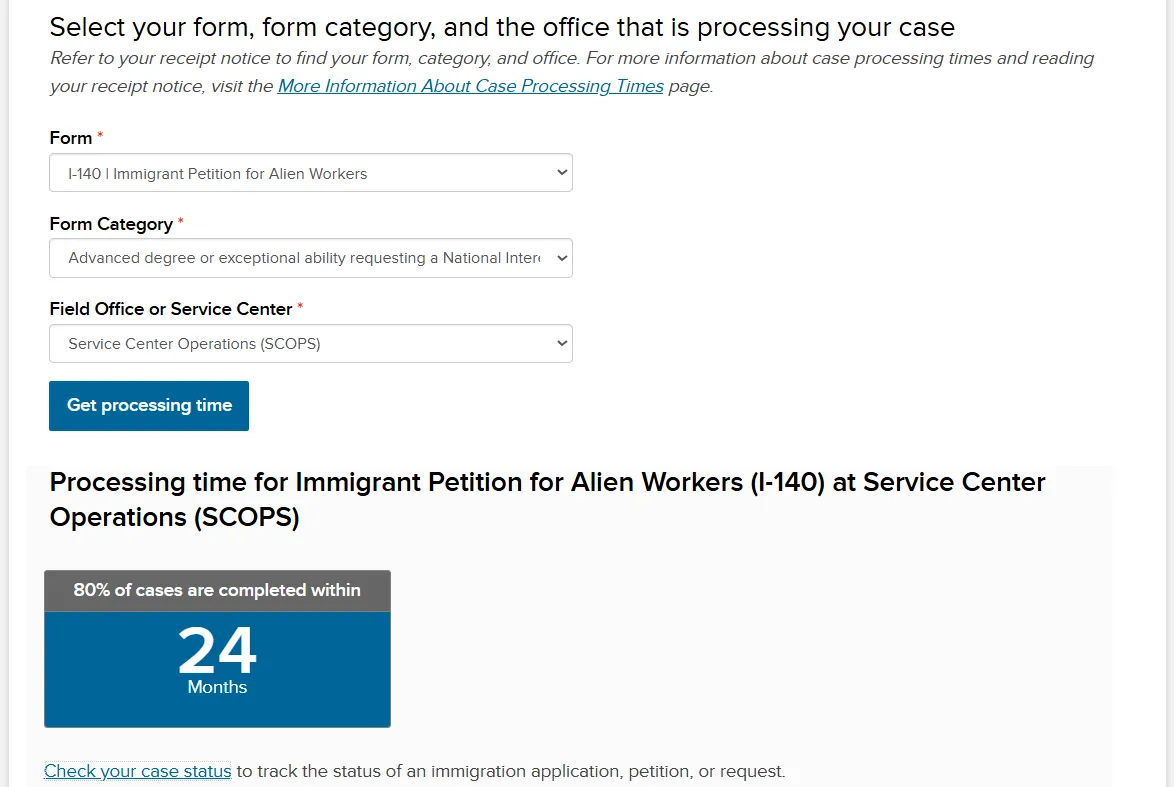
2026년 4월 기준, NIW 일반 심사 기간은 평균 약 24개월 정도 소요되고 있습니다.
하지만 이 기간은 ‘첫 번째 결과’를 받기까지의 시간일 뿐입니다.
첫 결과가 반드시 승인이라는 의미는 아닙니다. 상당수의 경우 RFE(Request for Evidence, 추가자료요청)가 발행됩니다. RFE에 대응하기 위해서는 추가 자료 준비와 제출이 필요하며, 이후 다시 심사를 기다려야 합니다. 실제로 최종 결정까지 수년이 걸리는 사례도 적지 않습니다.
2025년 중반 이후, RFE는 예외적인 상황이 아니라 일반적인 절차가 되었습니다. 대부분의 신청자는 RFE를 예상하는 것이 현실적입니다.
■ 프리미엄 프로세싱도 지연을 피할 수는 없습니다
프리미엄 프로세싱은 USCIS가 45영업일 내에 결과를 통지하도록 하는 제도입니다. 실제 시간으로 환산하면 약 9주 정도이며, USCIS는 이 기간을 거의 모두 사용하는 경우가 많습니다.
그리고 이 기간 내에 RFE가 발행되는 경우도 매우 흔합니다.
RFE가 발행되면 추가 대응 기간이 필요하고, 답변 제출 이후 USCIS는 다시 최대 45영업일 내에 최종 결정을 내립니다. 이 역시 전체 기간이 모두 소요되는 경우가 많습니다.
결과적으로 프리미엄 프로세싱을 선택하더라도 전체 소요 기간이 단축된다고 단정하기는 어렵습니다.
■ 승인이 끝이 아닙니다
청원 승인 이후에도 절차는 계속됩니다.
비자 문호가 오픈되어 있더라도, 케이스는 USCIS에서 National Visa Center로 이관되어야 합니다. 이 과정은 일반 우편으로 통보되는 경우도 있으며, 실제 통지서를 받기까지 수 주가 소요되기도 합니다.
이후 National Visa Center 단계에서는 DS-260 이민비자 신청서 작성 및 각종 민원서류 제출이 필요하며, 서류 검토 및 Documentarily Qualified 단계까지도 일정 시간이 소요됩니다.
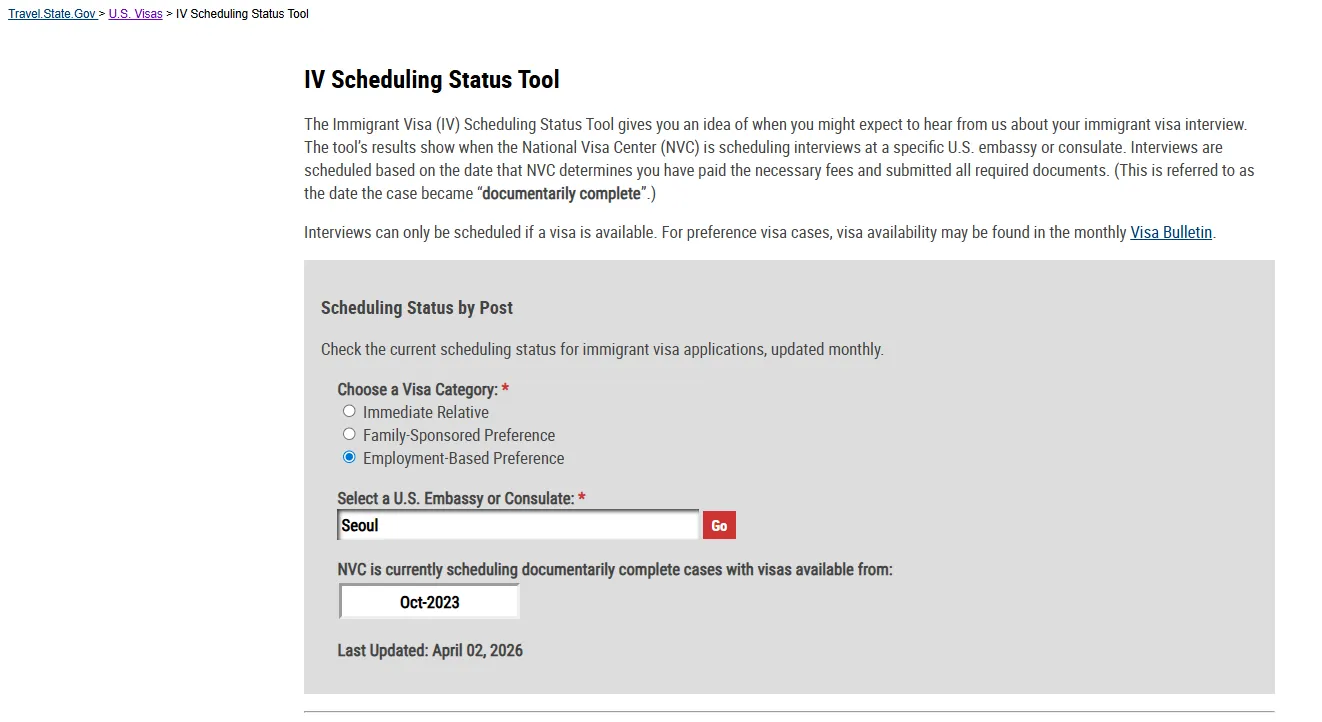
한국에서 영사처리(Consular Processing)를 진행하는 경우, 2026년 4월 기준 인터뷰 대기 기간은 약 2.5년까지 예상되고 있습니다.
 ■ 결론
■ 결론
NIW는 매우 유연하면서도 강력한 이민 옵션입니다. 그러나 그만큼 절차가 복잡하고 시간도 오래 소요됩니다.
단기간에 준비할 수 있는 과정이 아닙니다. 청원서 준비, 심사, 승인 이후 절차까지 모두 고려하면 충분한 시간이 필요합니다.
NIW는 단순히 ‘언제 시작할 것인가’의 문제가 아니라, 이후의 삶의 일정과도 연결되는 중요한 결정입니다. 다른 인생 계획이나 일정이 영주권 취득 여부에 영향을 받는 상황이라면, 불필요한 불안과 압박을 피하기 위해서라도 가능한 한 빨리 준비를 시작하는 것이 중요합니다.
---------------------------------------------
Why NIW Applicants Should Start Early
NIW is often misunderstood as a document-based immigration process. It is not. It is an achievement-based category that evaluates whether a person’s work is important enough to benefit the United States.
That distinction matters. This is not about submitting forms. It is about building a persuasive case.
NIW Is Built on Achievement, Not Eligibility
Many immigration categories are eligibility-driven. If you meet the criteria, you qualify.
NIW is different. It requires demonstrating that your work has substantial merit and national importance, and that you are well positioned to advance that work in the United States.
This is why NIW is so powerful. Even under the recent 75-country entry restrictions, individuals from affected countries can still pursue NIW and obtain immigrant visa approval if they meet the standard. The category is based on demonstrating that the petitioner’s work has value to the United States. In other words, the question is not where you are from or what you did in the past, but whether what you will do in the United States benefits the country.
But that same standard also means the bar is high.
Strong Petitions Take Time to Build
A proper NIW petition is not assembled overnight.
It requires a clear definition of the proposed endeavor, a well-structured legal argument, and supporting evidence that aligns with that argument.
Most importantly, it requires communication.
The attorney preparing the petition must understand the petitioner’s field, work, and achievements in detail. Without that, the petition becomes generic. And generic petitions are weak. This process takes time. Rushed petitions always result in weaker arguments and a higher likelihood of denial.
USCIS Processing Is Not the End—It’s the Beginning
As of early April 2026, regular processing for NIW petitions is taking approximately 24 months.
But this timeline only reflects a first decision.
A first decision does not always mean approval. In many cases, it means a Request for Evidence. Responding to an RFE requires additional preparation, submission, and then further waiting. It is not uncommon for the full process to extend well beyond the initial timeline, and in some cases, take several years from start to final decision.
Since mid 2025, RFEs are not rare. They are common. Most applicants should expect one.
Premium Processing Does Not Eliminate Delays
Premium processing gives USCIS up to 45 business days to respond. In real time, this typically translates to approximately 9 weeks, and in many cases USCIS uses the full period before issuing either a decision or a Request for Evidence.
If an RFE is issued, additional time is required to prepare a response. After submission, USCIS again has up to 45 business days to issue a final decision, and it is not unusual for the full period to be used again.
As a result, even under premium processing, the overall timeline can extend significantly.
Approval Is Not the Final Step
Even after approval, the process continues.
If the visa bulletin is current, the case must still transfer from USCIS to the National Visa Center. This transfer is sometimes communicated by regular mail, and it can take several weeks for the notice to be received.
Once at the National Visa Center, the petitioner must complete the DS-260 immigrant visa application and submit civil documents. Document qualification itself takes additional time on the administrative side.
For applicants in South Korea pursuing consular processing, the wait time for an interview can currently reach approximately 2.5 years as of early April 2026.
The Real Takeaway
NIW is one of the most flexible and powerful immigration options available. But that power comes with complexity.
This is not a process that should be approached at the last minute. It requires time to prepare a strong petition, time for adjudication, and time for post-approval processing.
NIW petitioners should start early to avoid unnecessary stress and uncertainty, especially when other life plans and deadlines depend on obtaining a U.S. green card.

